


Ask ChatGPT or Claude about your brand and see what comes back.
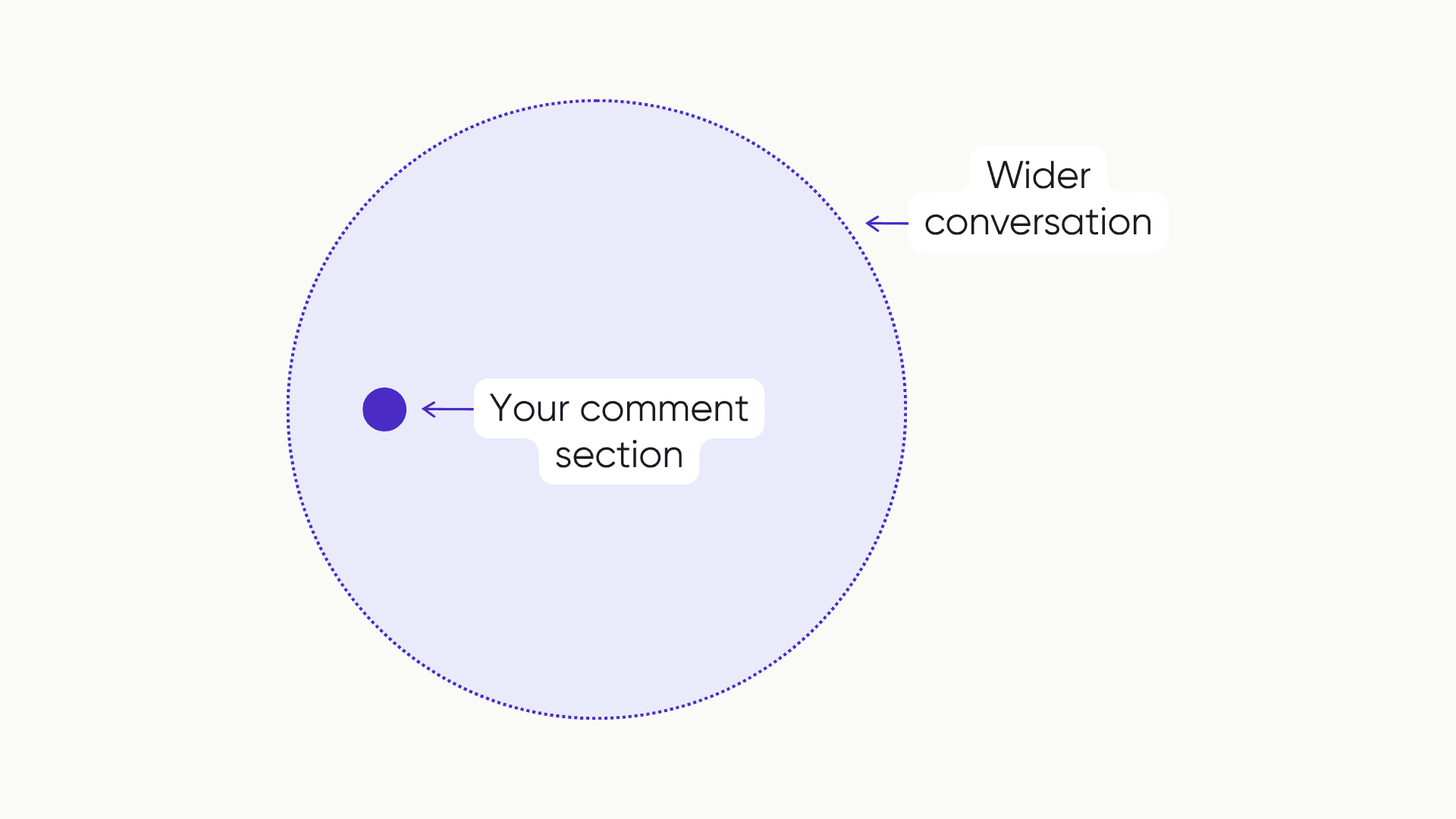
That answer was built from everything publicly written about the brand: press coverage, reviews, social content. And increasingly, comment sections. The language an audience uses in the replies, the themes that keep recurring, the sentiment that builds over time - AI systems are training on all of it, and reflecting it back every time someone asks.
This isn't something social teams are tracking yet. And it's only half the story - before AI even enters the picture, comment sections are already shaping visibility through something that's been hiding in plain sight inside every platform's algorithm.
Does social media affect SEO?
Social platforms have become search engines in their own right, and comment sections are part of how those search engines work. One in three people now skip Google entirely and go straight to social when researching a brand, and platforms weigh the quality of the conversation under a post - not just the caption or the hashtags - when deciding what to surface and to whom.
What algorithms actually do with your comments
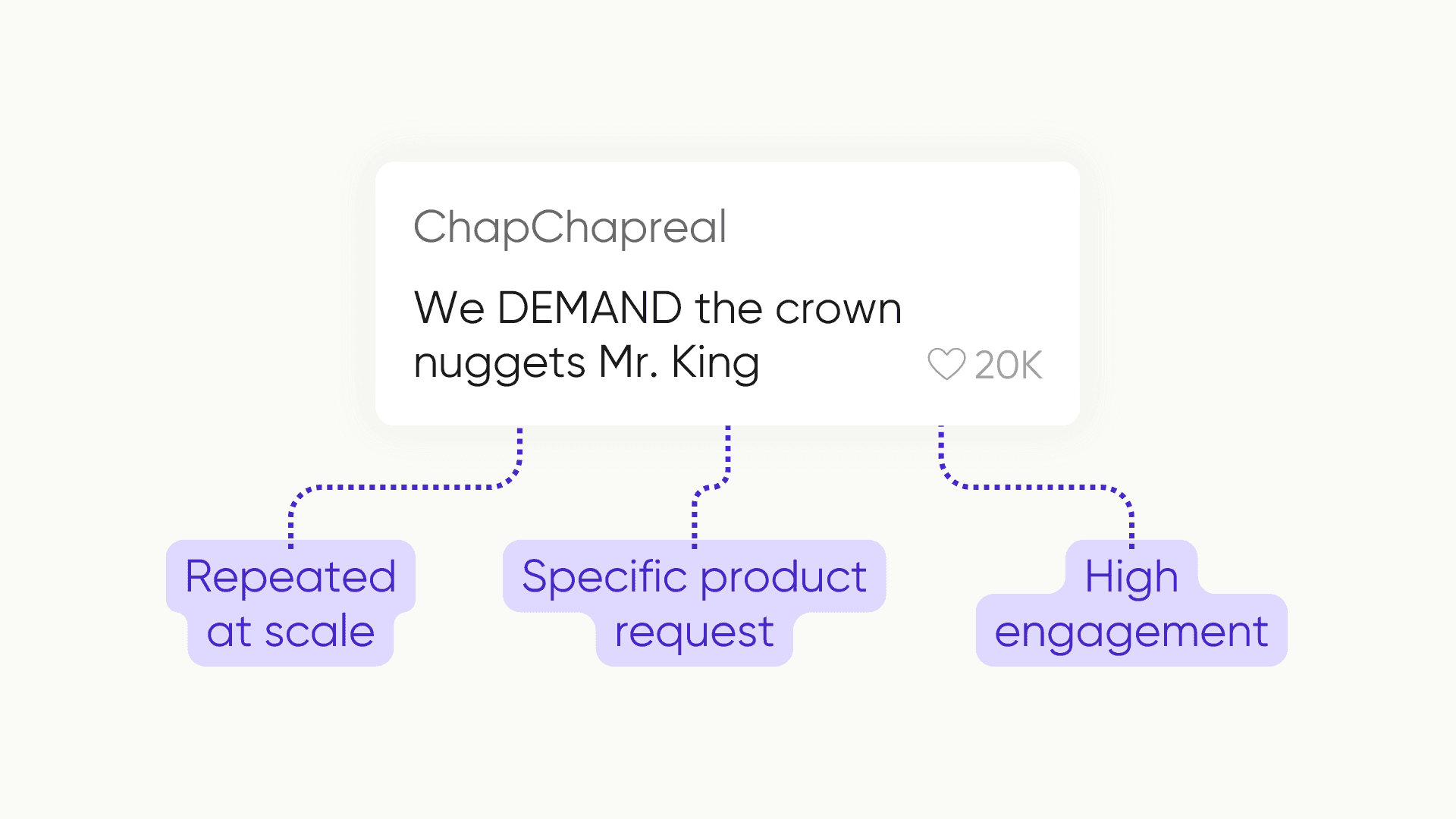
Comment quality - i.e. the depth and substance of what people are actually writing, not just how many replies a post gets - now carries more algorithmic weight than comment count alone. The language an audience uses in the replies also feeds into how a platform categorizes and indexes the content sitting above it, which shapes where that content gets served and to whom.
Which means that a post with a thousand low-effort replies and a post with two hundred substantive ones aren't sending the same signal, even if the first one looks better in a weekly report.
Then there’s the AI layer
Large language models form representations of a brand from their training data, and those representations shift as models get updated. Public social content - including comment sections - is part of that training data. Which means the narrative building in a brand's replies is shaping how AI systems describe and categorize it, long after the post itself has stopped performing.


When someone asks an AI assistant about a brand, the answer they get back is partly informed by what that brand's audience has been publicly saying in the replies. That narrative usually forms without a single person on the brand side ever seeing it take shape.
Where the gap comes from
Social teams spend real time on the content, then largely step back once a post is live. The comment section gets opened for moderation, maybe skimmed for a standout reaction, then left alone. Meanwhile the language actually forming in the replies - the themes that keep recurring, the story an audience is building in public - rarely makes it into a strategy conversation.
The result: a steady stream of search and AI signal building in the comments every day, with nobody on the brand side reading what it's actually saying.
What to actually do about it
The fix isn't complicated, but it does require treating the comment section as a source worth reading closely rather than a box to check after publishing.
1. Read comment sections the way a researcher would
Look past the top few replies for the narrative that's actually traveling: the language that repeats, the questions that keep coming up, the sentiment sitting underneath the surface-level reaction.
2. Track the same themes across posts, not just within one
A single comment section is a data point. The same complaint or compliment showing up across ten posts is a pattern that's likely already shaping how a platform - or an AI system - understands the brand.
3. Treat this as an input to strategy, not just moderation
If a theme is recurring in the replies, it belongs in the same conversation as any other piece of brand research, not filed away as a community management note.
Common questions
Does what people say in my comments actually affect my SEO ranking?
Can AI chatbots really read my comment sections?
What's the difference between this and traditional social listening?
Your brand narrative is already being written
Go back to that first question: ask ChatGPT or Claude about a brand today, and the answer already reflects everything that audience has said in the replies up to this point. That answer doesn't wait for a strategy meeting, and it updates whether or not anyone's watching.
Which makes the real question not "should we start paying attention to this?" but "how much of that narrative has already formed without us?" A brand that starts reading its comment sections for signal today is working from a fuller, more accurate picture of its own visibility. A brand that doesn't is still being described - just without any say in how.
Siftsy is how a growing number of teams are getting that say: turning the sentiment, discovery, and validation signal sitting in their comments into something they can act on, before it becomes someone else's answer to "what's this brand actually like."