

Here's a version of social reporting running at plenty of brands right now: publish content, monitor the comment section, pull the engagement data, report on what performed.
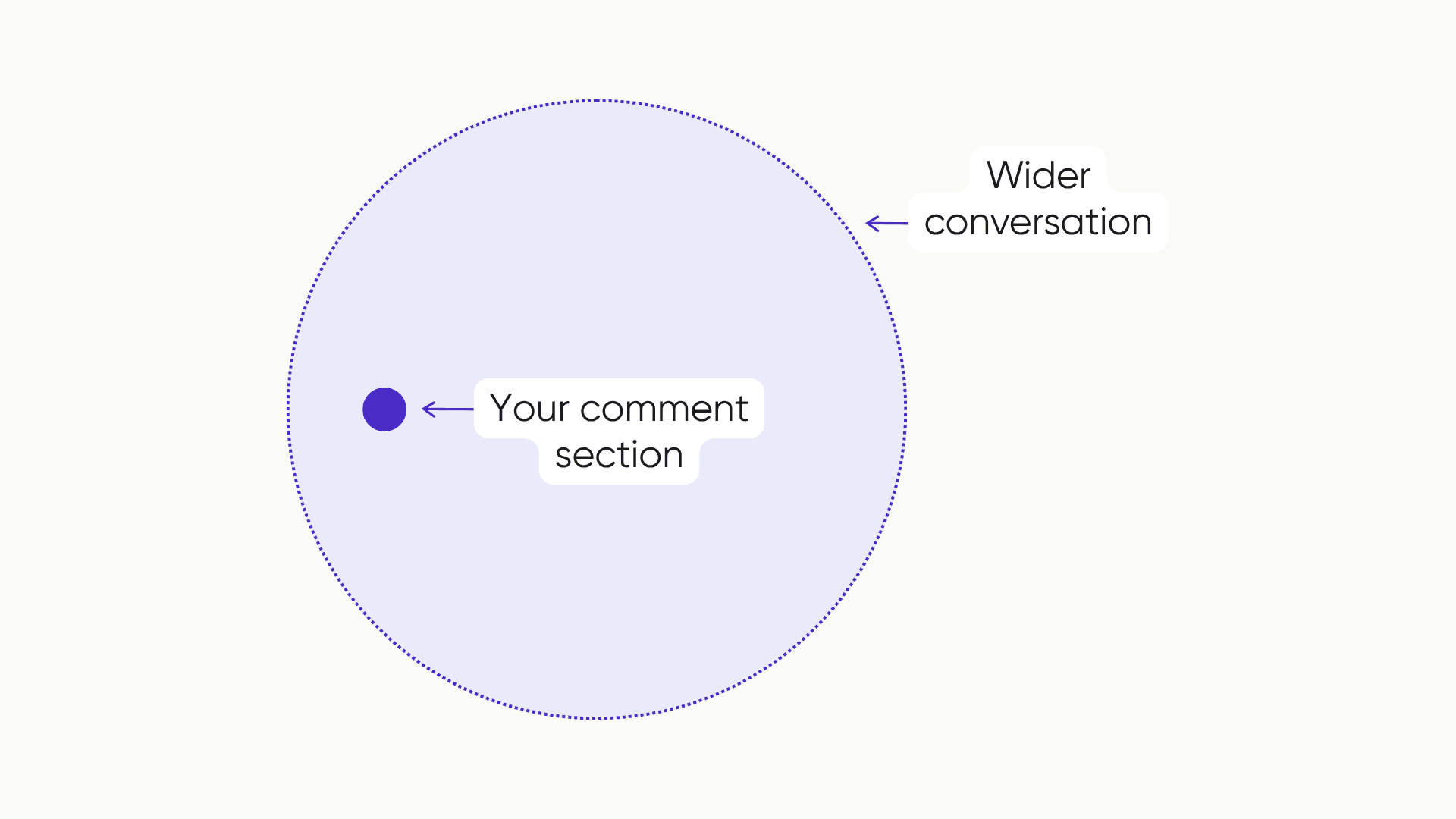
It's a reasonable workflow. It's also only reading a fraction of the conversation that's actually relevant to a brand.
What does it mean to read comment sections you don't own?
Reading comment sections you don't own means applying the same analysis to comment sections underneath competitor posts, creator content, and customer-generated posts that a brand would normally reserve for its own channels. These comment sections are just as public as the ones sitting under a brand's own content - the difference is almost nobody has built a habit of actually reading them.
That gap is where a significant amount of relevant audience intelligence sits unused.
Read your competitor's room
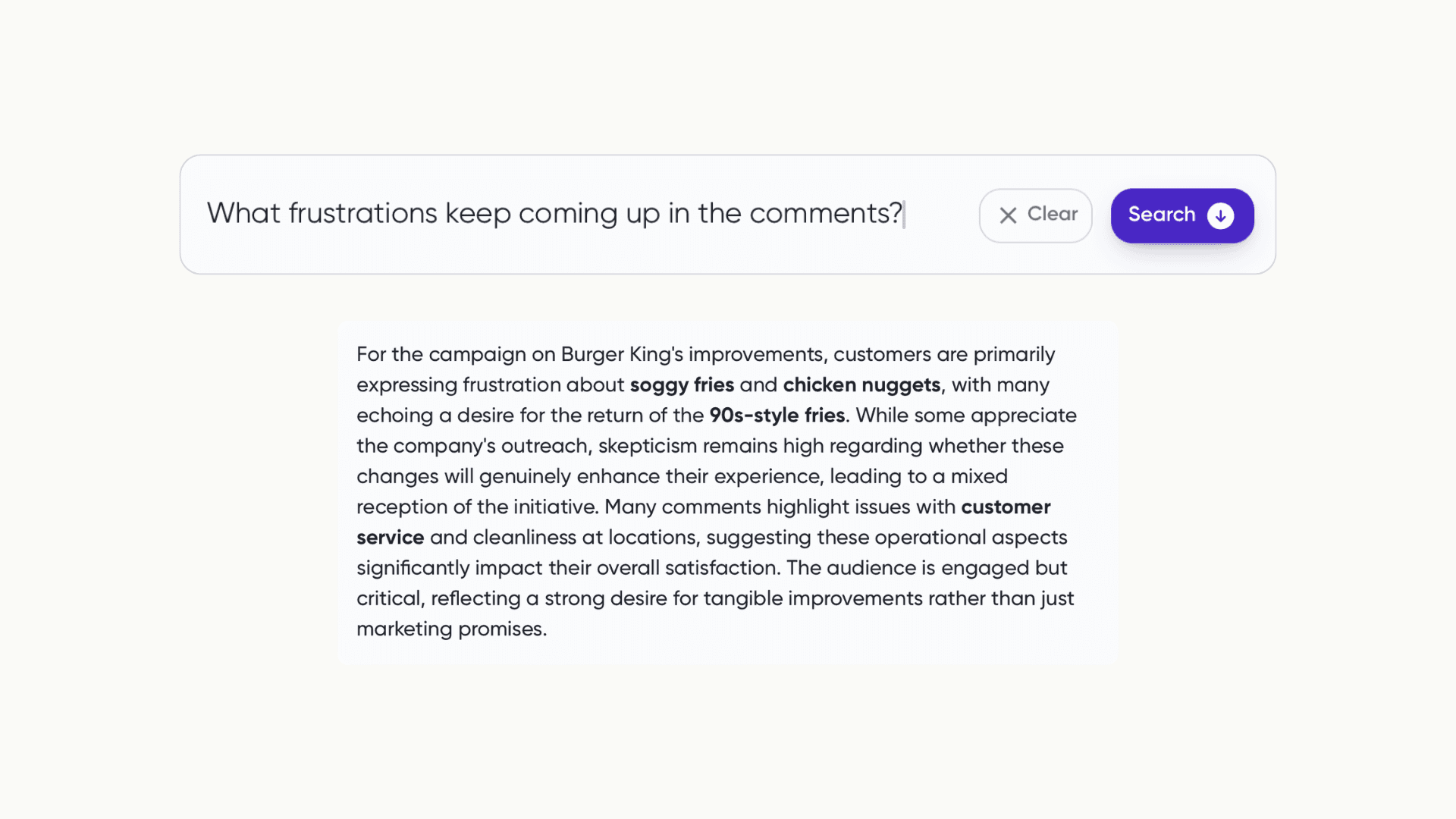
A competitor's comment section is one of the most underused research tools in social. Their audience is telling them exactly what they think, in public, updated with every post they publish. The frustrations that keep recurring, the products people are asking for that aren't being delivered, the comparisons being drawn to other brands - all of it is sitting there, and all of it is directly relevant to how a brand positions against them.
Competitive analysis usually stops at surface metrics: follower growth, engagement rate, posting frequency. Those numbers describe performance. They don't describe what the audience actually wants.

Your competitor's audience is doing market research for you, for free, in public, right now. Nobody's collecting it.

Co-Founder of Siftsy
Vet a creator before you sign the deal
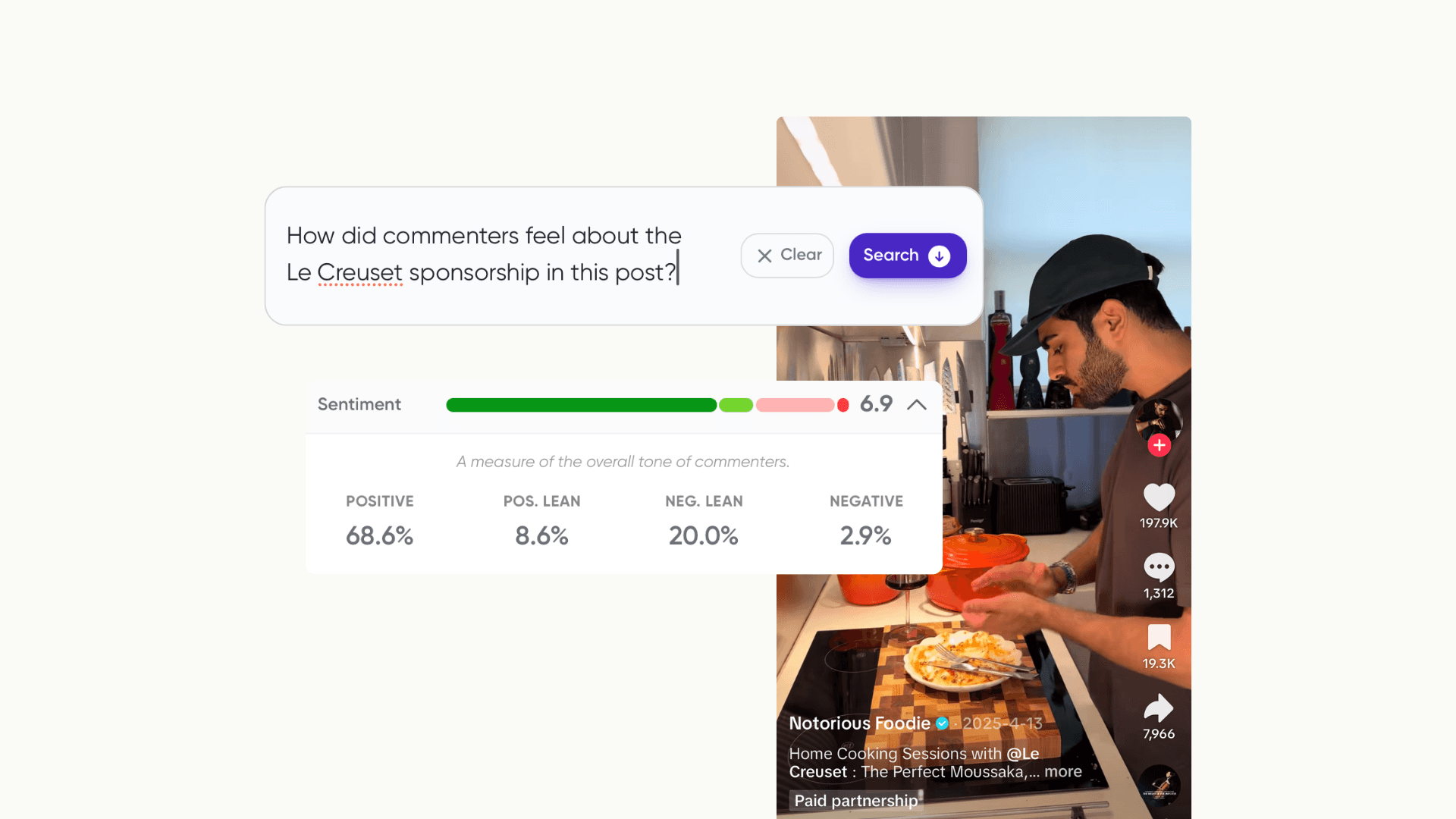
Follower count and engagement rate have always been imperfect proxies for audience quality. A comment section tells you considerably more. Is the audience genuinely engaged with a creator's content, or are the replies mostly generic reactions? Do they trust the creator's recommendations, or does a sponsored post generate visible skepticism? How did the audience respond the last time this creator ran a brand partnership?
Those questions are answerable before a contract gets signed - the evidence is sitting in the comments already.
Reach is cheap, but trust is expensive. What truly drives business success isn't just how many people see or interact with a post, but audience authenticity and creator sentiment.

Media Intelligence Leader
See what people are saying in the wild
When customers post about a brand on their own channels, the comment section underneath holds reactions from people with no connection to the brand, and no particular reason to be diplomatic about it. Specific product feedback, price comparisons, the same question showing up again and again, frustrations that never surface on a brand's own posts - all of it is there, updating in real time.
It's some of the most honest feedback a brand will ever get, sitting entirely outside the channels most teams are set up to monitor.
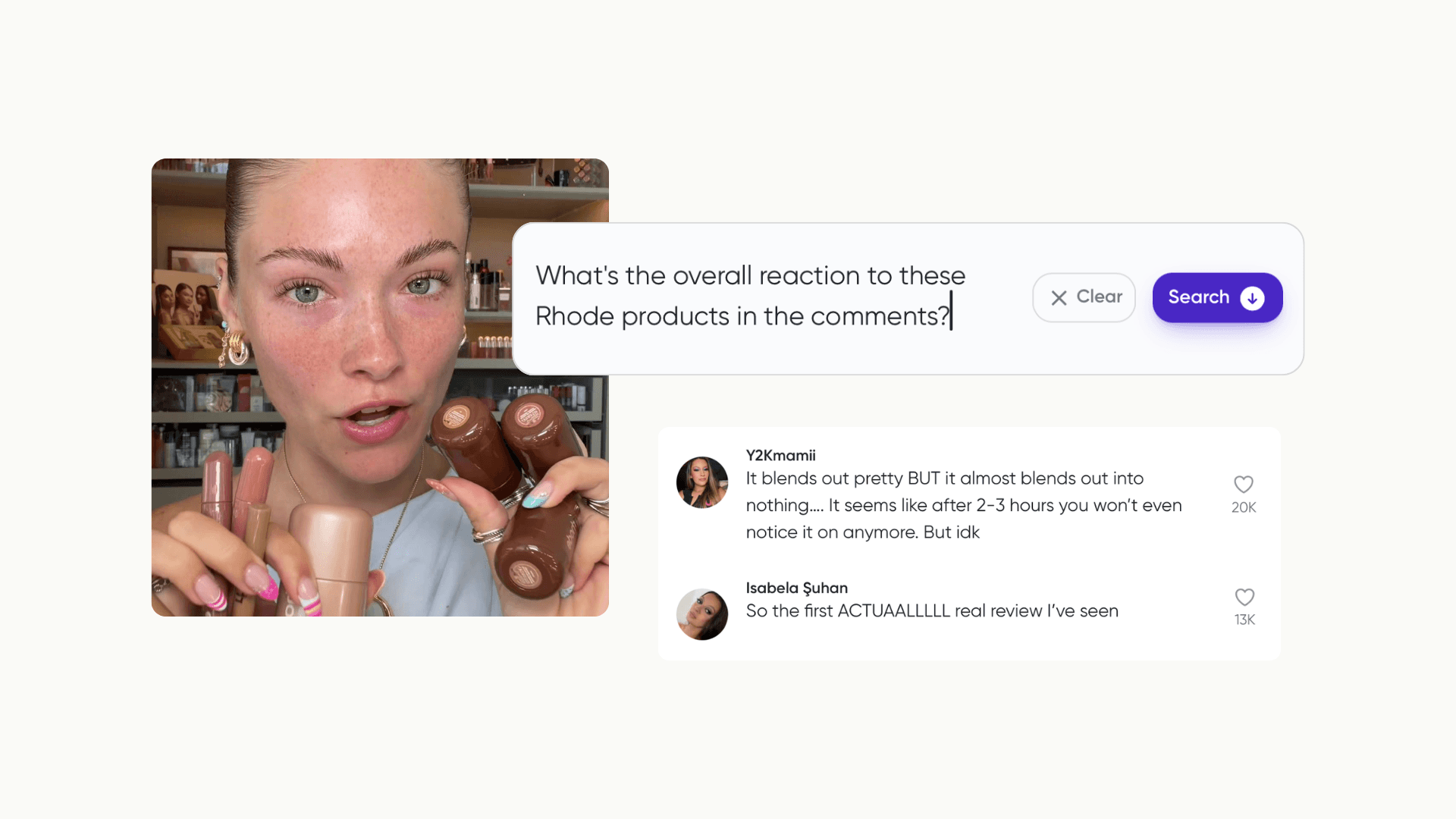
The best insights often inform content, PR, partnerships, product, customer experience, and executive strategy - not just social posts.

Social Insights Lead at Live Nation
How to actually do it
The workflow itself doesn't need to be complicated. Here's the process, broken into steps.
Step 1: Find the post worth reading
Start with whatever's actually relevant right now: a competitor's campaign launch, a creator being considered for a partnership, a customer's own post mentioning the brand. It doesn't need to be exhaustive - one post with real comment volume is enough to start pulling signal.
Build a running list rather than starting from scratch each time. For example: the two or three competitors a brand tracks most closely, the creators currently in consideration, or a saved search for brand mentions in UGC.
Step 2: Paste the link into Siftsy
This is the part that used to be the blocker. Reading a comment section on content a brand doesn't own has never required special access - the post is public, the comments are public - but manually scrolling and tagging that volume of replies by hand doesn't hold up past the first post or two.
Paste the URL into Siftsy and it pulls the full comment section and runs it through the same analysis it would apply to owned content. No login to the other account required, and no need for a manual export.
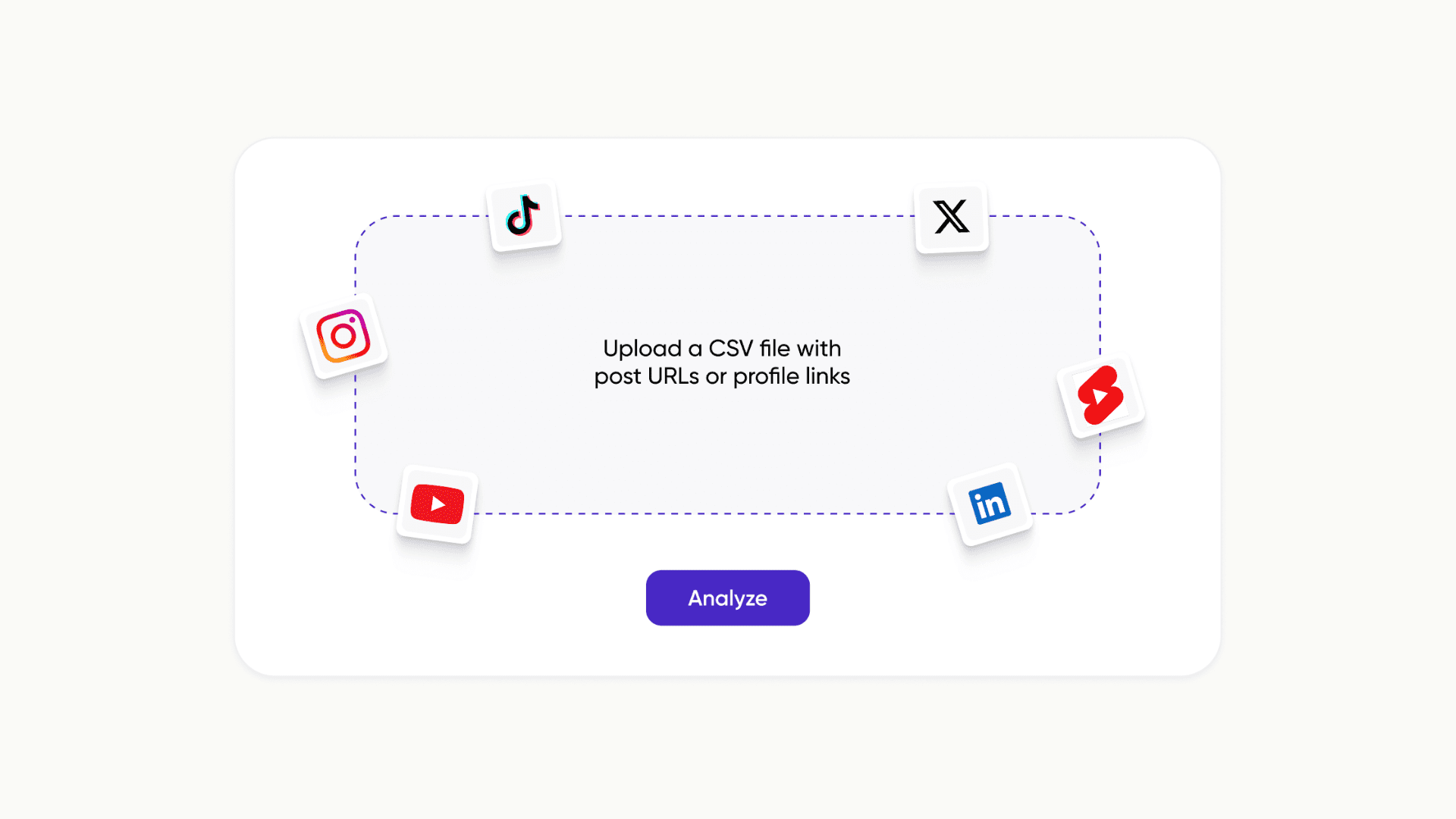
Step 3: Read the sentiment and theme breakdown
Once the comment section is uploaded, look at two things first: the sentiment split and the themes Siftsy surfaces automatically. This is the fastest way to tell whether a comment section is worth digging into further, or whether it's mostly noise.
Share of conversation is also worth a specific look here. It shows which themes are actually driving volume in the comments, rather than just what's visible in the top few replies.
Step 4: Pull the evidence that answers your question
Go to the top comments for the specific language people are actually using: the product request, the price comparison, the recurring complaint, the direct reaction to a creator's last partnership. This is the part that turns a comment section into something usable - e.g. a line in a competitive brief or a data point in a creator vetting decision.
Is it okay to analyze a competitor's comment section?
What counts as a comment section "you don't own"?
Do you need special access to read comments on posts you don't own?
Your best intelligence is already public
None of this requires anything your brand doesn't already have permission to see. A competitor's comment section, a creator's replies, a customer's public post - all of it has been sitting there the entire time, visible to anyone who scrolls down far enough.
The teams that read it get a fuller picture of their audience, their category, and their own brand than the ones relying on owned data alone. The teams that don't are working from half the available evidence and reporting on it as if it were the whole picture.
Siftsy makes it possible to run this kind of reading at scale - paste in a link to any public post, owned or not, and get the same depth of comment analysis either way.